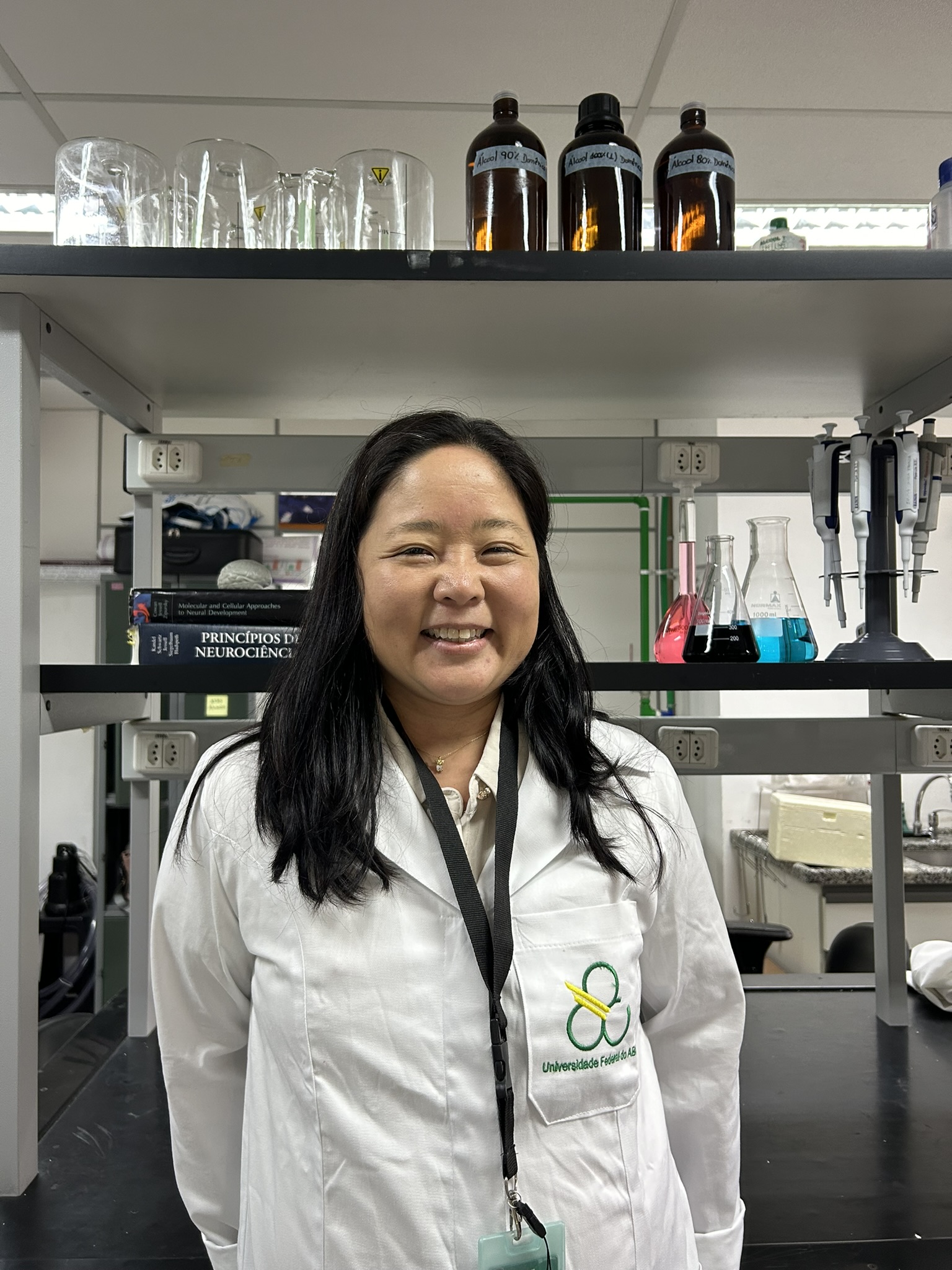
Understanding motor circuits and their molecular regulators

From nitric oxide to extracellular matrix dynamics, we study how molecular signaling and neural microenvironments shape basal ganglia function and neuropsychiatric disorders.

Current Highlight

Neonatal anoxia and extracellular matrix remodeling

Neonatal anoxia Extracellular matrix PNNs Neuroligin-2

Coordinator: Prof. Marcela Bermúdez Echeverry
Responsible student: Victor Ricardo Cândido Torres da Silva (Graduate Research)

About the Laboratory

Who we are, where we are, and what we do.

The MIND Laboratory is affiliated with the CMCC at UFABC University.

 We investigate the molecular and cellular mechanisms underlying motor control and neuropsychiatric dysfunction. Our research focuses on the interaction between dopaminergic signaling, gasotransmitters such as nitric oxide (NO), and the oxidative processes associated with antipsychotic-induced extrapyramidal side effects. Using behavioral, molecular and histological approaches, we aim to clarify how alterations in these signaling pathways influence basal ganglia circuitry. In parallel, the laboratory examines the role of the extracellular matrix and perineuronal nets in regulating inhibitory interneurons and synaptic balance, as well as how early-life insults such as neonatal anoxia affect neural development, glial activation, and synaptic maturation. By integrating behavioral neuroscience, neuropharmacology, and molecular analysis, our work seeks to better understand the biological mechanisms that contribute to motor dysfunction and neuropsychiatric disorders.

Quick Information
  • Institution: Universidade Federal do ABC
  • Department: CMCC
  • Coordinator: Prof. Marcela Bermúdez Echeverry
  • Location: São Bernardo do Campo – SP – Brazil
Keywords
Gasotransmitters Oxidative stress Behavior Neuropsychiatry

Members

Coordination, graduate students, undergraduates and collaborators.

Prof. Marcela Bermúdez Echeverry
Prof. Dr. Marcela Bermúdez Echeverry

Professor, Centro de Matemática, Computação e Cognição (CMCC)

Research focused on the DARPP-32 protein and the dopaminergic, serotonergic, and adenosine systems.

E-mail: marcela.echeverry@ufabc.edu.br

Lattes: https://lattes.cnpq.br/3659559332614085
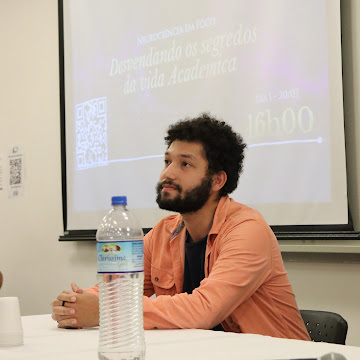
Victor Ricardo Cândido Torres da Silva

PhD Candidate in Neurosciences

Research focused on functional neuroimaging (fMRI) applied to depression and sleep disorders, integrating behavioral, neurobiological, and clinical measures.

E-mail: vick.ricardo.97@gmail.com

Lattes: https://lattes.cnpq.br/0130206224691530
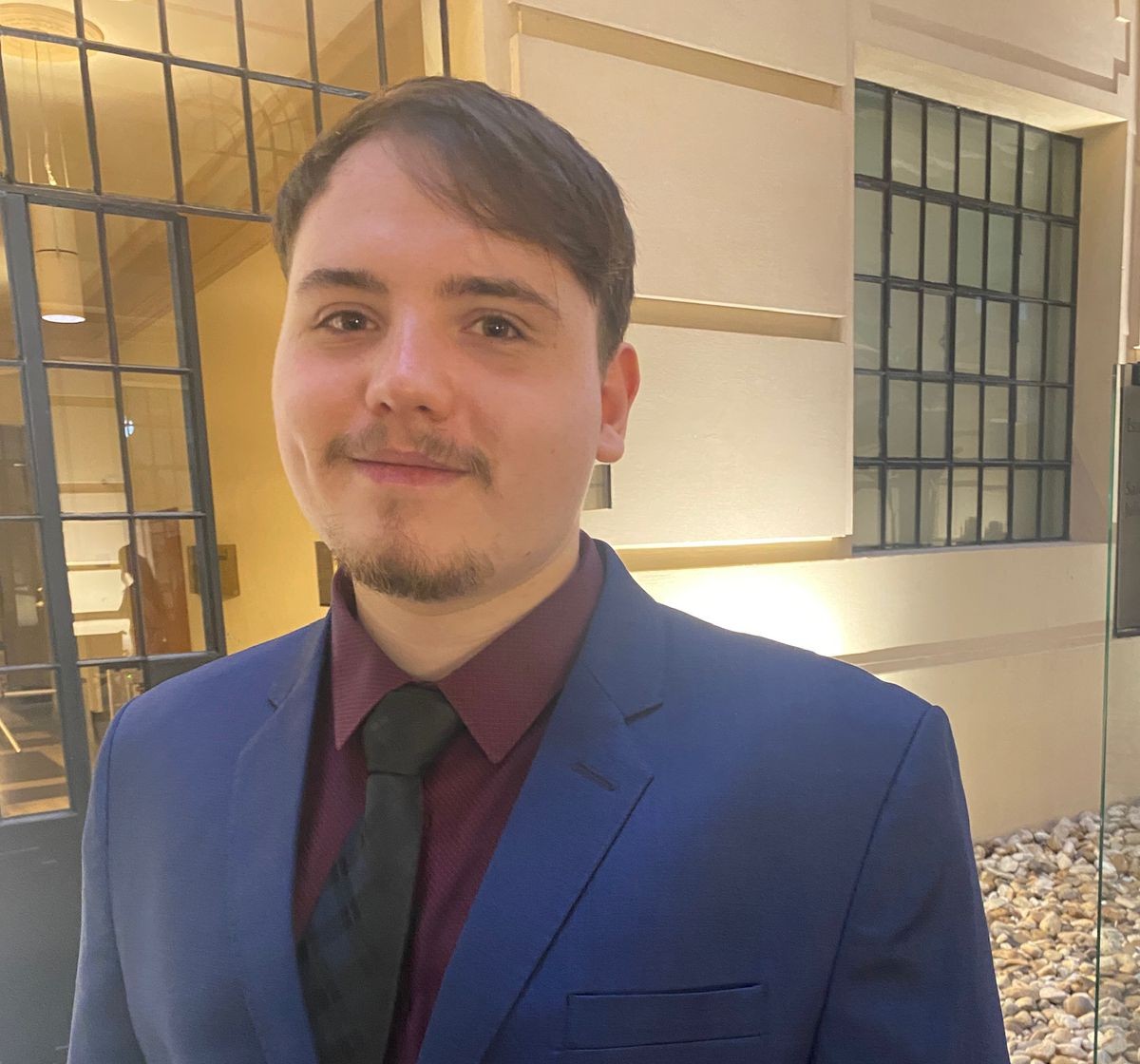
Gabriel Nanclares Sanches Fernandes

Undergraduate Researcher

Research on the role of H2S and NO in antipsychotic-induced catalepsy in Balb/C mice, focusing on oxidative stress and dopaminergic modulation.

E-mail: gabriel.nanclares@aluno.ufabc.edu.br.br

Lattes: https://lattes.cnpq.br/0642609779495699

Helo
Heloisa Vicentin Belem

Undergraduate Researcher

Research on extracellular matrix modulation of antipsychotic-induced motor effects, targeting perineuronal nets and dopaminergic–glutamatergic interplay.

E-mail: heloisa.belem@aluno.ufabc.edu.br

Lattes: https://lattes.cnpq.br/5263947604938853

Tábata Samantha Aguiar Bustos

Undergraduate Researcher

Research on dopamine–NO interactions in antipsychotic-induced catalepsy models.

E-mail: tabata.samantha@aluno.ufabc.edu.br

Lattes: http://lattes.cnpq.br/2112191078338275

E-mail:

Research Lines

Gasotransmitters and Dopaminergic Signaling in Extrapyramidal Symptoms

Investigation of nitric oxide (NO) and hydrogen sulfide (H₂S) signaling in basal ganglia circuits and their role in antipsychotic-induced motor side effects. This research line explores how dopaminergic D2 receptor blockade alters gasotransmitter balance, oxidative stress, and neurotransmission in the striatum and related brain regions. Using behavioral models of catalepsy and Western Blotting, we aim to clarify how NO and H₂S interactions influence extrapyramidal symptoms and dopaminergic circuit function.

  • NO signaling and nNOS regulation
  • H₂S as a neuroprotective gasotransmitter
  • D2 receptor blockade and motor dysfunction
Extracellular Matrix and Synaptic Circuit Regulation

This research line investigates how extracellular matrix components, including perineuronal nets (PNNs), regulate synaptic plasticity and neuronal circuit stability. Particular focus is placed on the interaction between ECM structures and inhibitory interneurons, such as parvalbumin-positive neurons, and how these interactions influence excitatory–inhibitory balance in the brain. These mechanisms are studied in the context of antipsychotic effects and neuropsychiatric disorders.

  • Perineuronal nets (PNNs)
  • NMDA–nNOS signaling
  • Synaptic plasticity in basal ganglia circuits
Neurodevelopmental Injury and Brain Plasticity

This research line investigates how early-life brain insults influence neural development, synaptic maturation, and long-term behavioral outcomes. Using neonatal anoxia models, we examine neuroinflammatory processes, astrocyte activation, extracellular matrix remodeling, and alterations in synaptic adhesion molecules such as Neuroligin-2. The goal is to understand how early disruptions in neural circuit formation may contribute to neuropsychiatric disorders.

  • Neonatal anoxia models
  • Reactive gliosis and neuroinflammation
  • Neuroligin-2 and inhibitory synapse maturation

Ongoing Projects

Extracellular Matrix–NMDA–nNOS interactions in haloperidol-induced catalepsy

What if the integrity of the extracellular matrix is the key to preventing the adverse motor effects of antipsychotics? Haloperidol, a dopamine D2 receptor blocker, is widely associated with extrapyramidal disorders such as catalepsy and tardive dyskinesia. Evidence indicates that these effects may be modulated by glutamatergic pathways, since D2R blockade by haloperidol increases NMDA receptor expression in the striatum and cortex. Activation of NMDAR in striatal nitrergic interneurons promotes Ca²⁺ influx and nNOS activation, a process also influenced by antipsychotics. GABAergic interneurons expressing nNOS and parvalbumin (PV+), frequently associated with the extracellular matrix (ECM) through perineuronal nets (PNNs), play a central role in excitatory/inhibitory balance and in the modulation of LTP/LTD. In this project, we test the hypothesis that degradation of the ECM in the dorsal striatum disrupts the NMDA/nNOS/D2R interaction, preventing haloperidol-induced catalepsy.

Principal Investigator: Heloisa Vicentin Belem (Undergraduate Research)

Striatal H₂S Concentration After Antipsychotic-Induced Catalepsy

This project investigates the role of hydrogen sulfide (H₂S) in antipsychotic-induced extrapyramidal side effects. Increasing evidence suggests that D2 receptor blockade may trigger oxidative stress in motor pathways, partly mediated by nitric oxide (NO). Because H₂S has important antioxidant and neuromodulatory functions, alterations in the balance between NO and H₂S may contribute to the persistence of extrapyramidal symptoms. Using C57BL and Balb/C mice, we measure H₂S concentrations in the striatum and prefrontal cortex following administration of dopaminergic antagonists (haloperidol, metoclopramide, and clozapine) and the NOS inhibitor L-NOARG. By integrating behavioral catalepsy models and neurochemical analysis, the study aims to clarify how gasotransmitter interactions influence oxidative stress and motor dysfunction.

Principal Investigator: Gabriel Nanclares Sanches Fernandes (Undergraduate Research)

Neonatal Anoxia, Extracellular Matrix Remodeling, and Synaptic Development

Neonatal anoxia is a major global public health problem, as it leads to permanent sequelae in surviving individuals. Its occurrence triggers multiple biochemical cascades that result in cell death in susceptible brain structures, potentially affecting nearly the entire brain. At the cellular level, reduced or absent oxygen impairs cellular maturation during development and can induce apoptosis or necrosis, compromising synapse formation. It also leads to decreased ATP levels, increased reactive oxygen species, activation of nitric oxide synthase (NOS), and activation of glial cells, resulting in reactive gliosis characterized by reactive and hypertrophic astrocytes. These astrocytes contribute to microglial activation by releasing cytokines and chemokines, promoting a neuroinflammatory process. In addition to their role in neuroinflammation, astrocytes are important for the secretion of extracellular matrix (ECM) proteins, including Neuroligin-2 (NLGN-2), a member of the synaptic adhesion molecule family that is specifically associated with inhibitory synapses. NLGN-2 plays a key role in astrocyte morphogenesis and, consequently, in synaptogenesis, particularly in the maturation of inhibitory interneurons and the establishment of excitatory–inhibitory balance. Alterations in NLGN-2 may help explain disorders such as autism spectrum disorder (ASD) and schizophrenia. Synaptic adhesion molecules are components of perineuronal nets (PNNs), which are extracellular matrix specializations that predominantly (though not exclusively) surround parvalbumin-positive interneurons and are known to play a role in their maturation. There are few studies addressing changes in PNNs in neonatal oxygen deprivation models. Moreover, there are no studies using a neonatal anoxia model in mice, which will be employed in the present project, focusing on excitatory–inhibitory balance in brain regions associated with neuropsychiatric disorders at different developmental stages. Thus, the aim of this study is to elucidate alterations in specific ECM and PNN components following neonatal anoxia-induced insult in the prefrontal cortex, striatum, and hippocampus, as well as to evaluate potential behavioral and motor changes generated by this model during adolescence (P35) and adulthood (P70).

Principal Investigator: Victor Ricardo Cândido Torres da Silva (Graduate Research)

Dopaminergic Blockade and Nitric Oxide Signaling in Antipsychotic-Induced Catalepsy

Between dopamine, nitric oxide (NO), and antipsychotics, the project advances to clarify mechanisms that are still poorly defined. Using four drugs: D2 dopaminergic blockers (Metoclopramide and Haloperidol), an atypical antipsychotic (Clozapine), and an inhibitor of NO formation (L-NOARG), it seeks to understand the relationship between their side effects and the alteration of NO, mainly in the striatum of C57BL mice. It also includes the olfactory bulb, the prefrontal cortex, the hippocampus, and the hypothalamus, regions associated with relevant cognitive and behavioral functions. As a behavioral basis, cataleptic tests are performed after drug administration, and their data are later statistically converted into an ANOVA. The interface between dopaminergic neurotransmission and nitric oxide signaling continues to be explored, with potential to generate significant advances, although it still depends on methodological consolidation for the measurement of NO.

Principal Investigator: Tábata Samantha Bustos Aguiar (Undergraduate Research)

Selected publications

Contact

Contact information and location.

Institutional Information

MIND laboratory
Centro de Matemática, Computação e Cognição, Universidade Federal do ABC
Alameda da Universidade – Anchieta – São Bernardo do Campo – SP
CEP 09606-110 – Brasil

General e-mail: mindlaboratoryufabc@gmail.com

Social:
Instagram · ResearchGate · Lattes (Coordinator)